Does New Zealand Tap Water Have Chlorine?
Short answer: yes. Almost all of New Zealand's public, reticulated tap water is chlorinated, and it is there to keep your water safe to drink.
Why New Zealand chlorinates its water
New Zealand's networked drinking-water suppliers are required to keep a residual disinfectant, usually chlorine (or sometimes chloramine), in the water all the way to your tap. This sits under the Water Services Act 2021 and is overseen by the water regulator, Taumata Arowai. That residual is what stops bacteria growing in the pipes between the treatment plant and your home, so a faint chlorine presence is a sign the system is doing its job. A small number of private bores and a few communities run on limited or seasonal disinfection, but if you are on town supply, your water is almost certainly chlorinated.
So your tap water is safe to drink, and chlorination is the reason it is safe. This article is not about drinking water, it is about how that same water feels on your skin and hair in the shower.
Can you notice chlorine in the shower?
Often, yes. That faint pool-like smell when the hot water runs, skin that feels a little tight or dry afterwards, hair that feels rougher or looks duller than you would like: these are the everyday, cosmetic signs people tend to notice. Hot water and steam make any chlorine smell more obvious, which is why you might notice it more in the shower than at the kitchen tap. This is about comfort and feel, not health. A chlorinated shower is perfectly safe. It just is not always the softest-feeling rinse.
What you can do about it
A shower filter is the simple fix. Ablu's filtered shower heads and inline filters are designed to reduce the chlorine taste and odour, and the fine sediment, that can come through your shower water, for a fresher, softer-feeling rinse.
If you would rather do something about it than read about it, the chlorine shower filter range is here: a filtered head that replaces yours, or an inline filter that screws onto the one you already have.
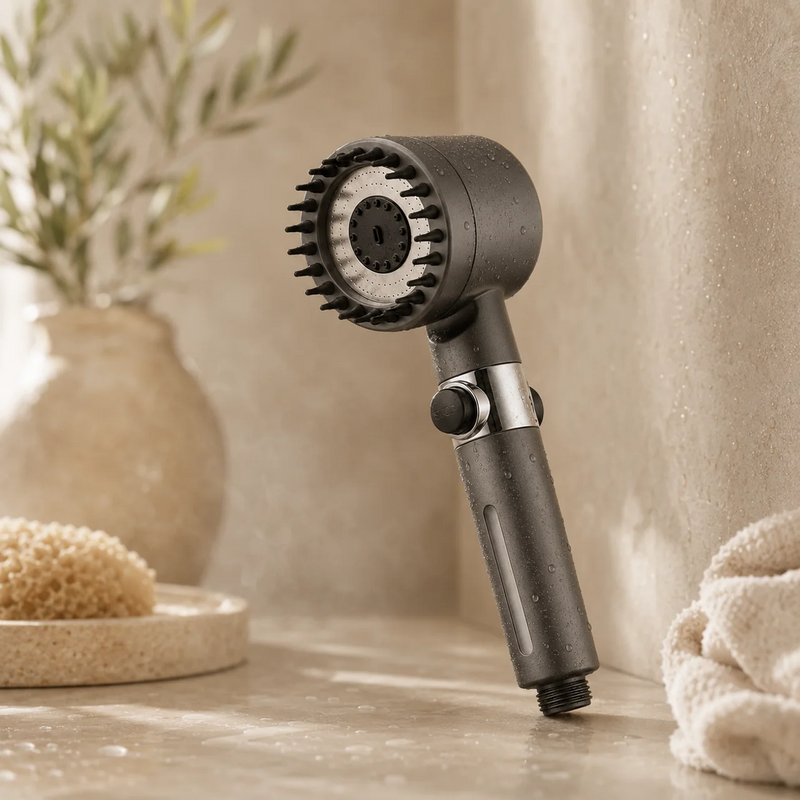
- The Ion Drop Filtered Shower Head replaces your existing head and filters the water as it sprays, using a replaceable PP-cotton cartridge.
- The Vitamin C Shower Filter fits inline on your hose if you would rather keep your current head.
- Replacement Filters keep either one working: swap the cartridge every 30 to 60 days.
Being honest about what a shower filter does and does not do: it reduces chlorine taste and odour and fine sediment, for a gentler-feeling rinse and smoother-looking hair over time. It is not a drinking-water filter, it does not soften hard-water minerals, and it is not a medical or therapeutic treatment for any skin or scalp condition.
Where this actually bites in New Zealand
New Zealand tap water is generally soft to medium hardness, so mineral hardness is not the main story here the way it is in parts of Europe or the United States. Where it does bite, hard water and your hair covers what actually helps. What is consistent is the chlorination: it is required by legislation, it is permanent, and it applies to every shower you take in Auckland, Wellington, Hamilton or anywhere else on a public supply. If you want to check your own town, the regulator has granted exactly one exemption from the requirement to chlorinate in the whole country. Christchurch is the interesting case: it sits on famously clean aquifer water and applied for an exemption, which the regulator declined in 2023, and as at 2026 the city is still required to chlorinate.
So for most people on New Zealand town supply, chlorine taste and odour is the most meaningful thing a shower filter can address, and hard-water minerals are mostly beside the point. If you notice a drier skin feel or rougher hair texture after showering, filtering the rinse is one of the lowest-effort changes available to you.
What this is not
A shower filter is not a medical device. It will not treat eczema, psoriasis or any other skin condition, and the right conversation for those concerns is with a dermatologist or your GP. What a filtered shower head does is simpler: it reduces the chlorine taste and odour that comes with tap water, and filters fine sediment that can accumulate in older pipes. A daily improvement to the rinse, not a treatment.
Building it into a routine
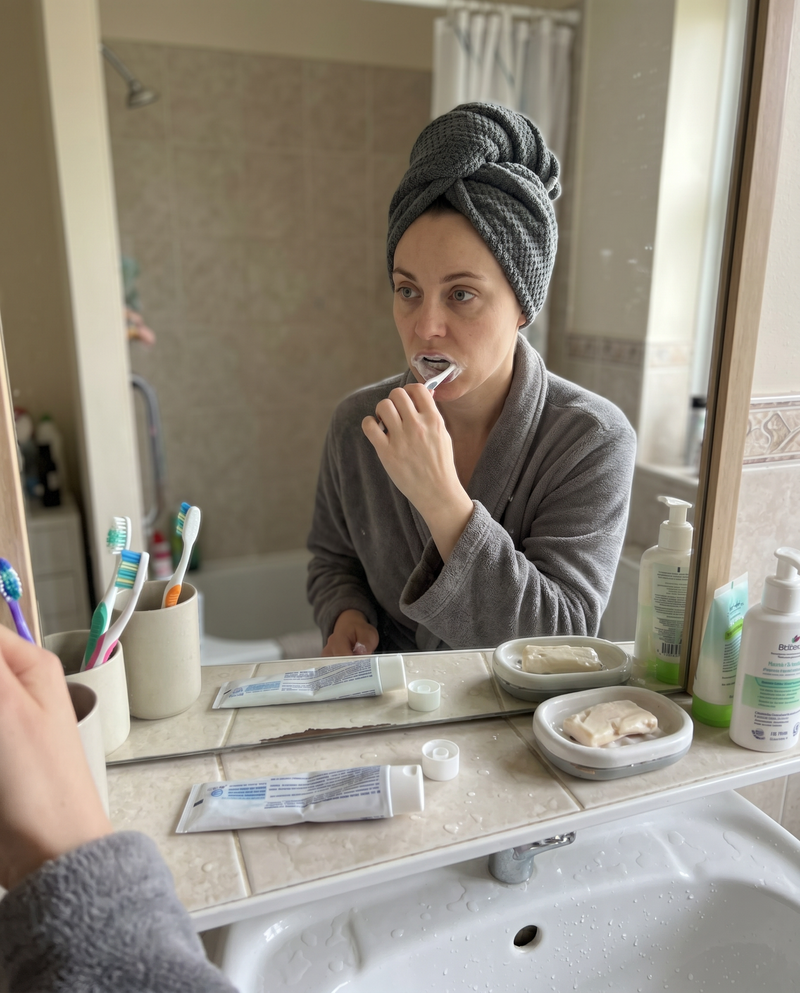
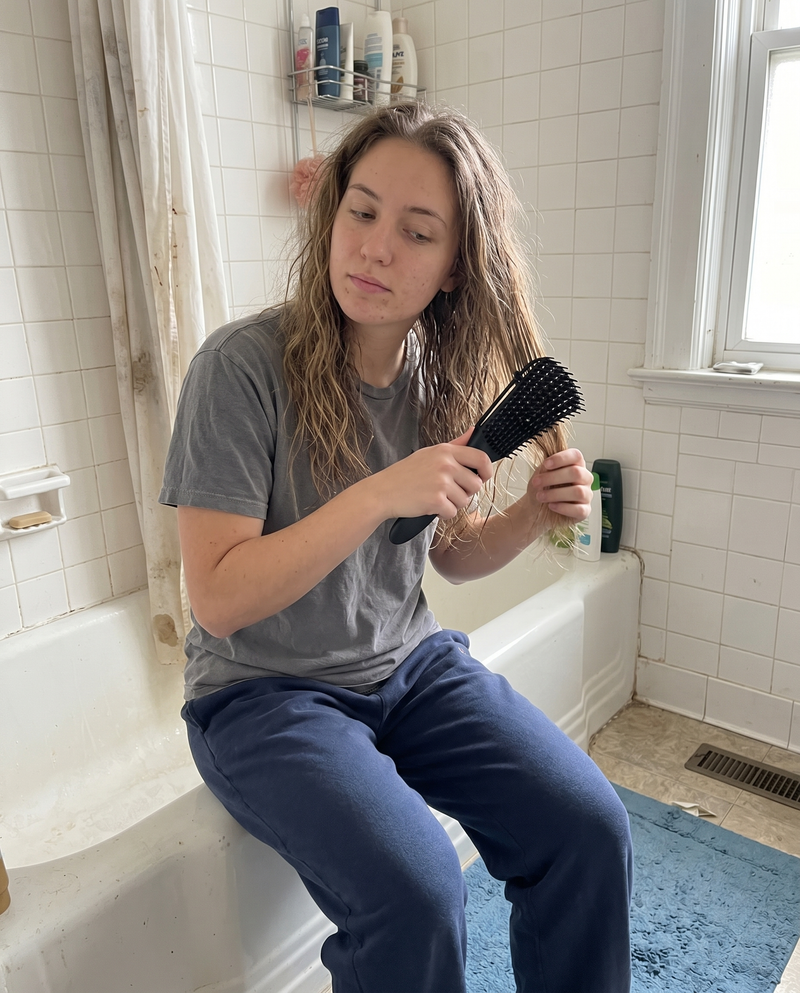
Filtered water will not transform your hair overnight, and anyone promising that is selling you something. It is a sensible baseline for someone who showers daily anyway. Pair it with a microfibre hair towel that absorbs without the friction of terry cloth, a weekly conditioning mask, or a scalp brush that helps shampoo spread and lather, and you have a routine that compounds quietly instead of relying on any one product.
Quick answers
Is New Zealand tap water safe to drink? Yes. Chlorination is a safety measure required for public supply, and it is why your water is safe straight from the tap.
Does chlorine affect your hair? In cosmetic terms, regular chlorinated water can leave hair feeling rougher and looking duller. Reducing it tends to leave hair feeling softer and looking smoother.
Does a shower filter remove chlorine completely? No filter removes everything. Ours are designed to reduce the chlorine taste and odour and sediment, which is what most people notice in the shower.
If your skin feels tight or your hair feels rough after a shower, filtering the chlorine taste and odour out of your shower water is an easy, low-effort upgrade. Start with the Ion Drop Filtered Shower Head, or read our guide to shower filters for skin and hair.

From the range
Ion Drop Filtered Shower Head
A filtered shower head that gives you a stronger, fresher-feeling rinse - with a replaceable PP-cotton filter that helps reduce chlorine taste and odour and fine...
Shop the Ion Drop · $74.99